Cart 0



Living with chronic pain can feel overwhelming, especially when conventional treatments don’t provide enough relief. Since 2018, medical cannabis has been legal in the UK for patients who’ve tried at least two standard therapies without success. With 84% of users reporting pain relief and a 64% reduction in opioid use, it’s becoming a trusted alternative.
Key takeaways:
Accessing medical cannabis in the UK requires a diagnosis of chronic pain and prior use of conventional treatments. Clinics like Elios provide consultations, personalised prescriptions, and ongoing support.
This guide breaks down strain types, how they work, and the steps to start treatment.
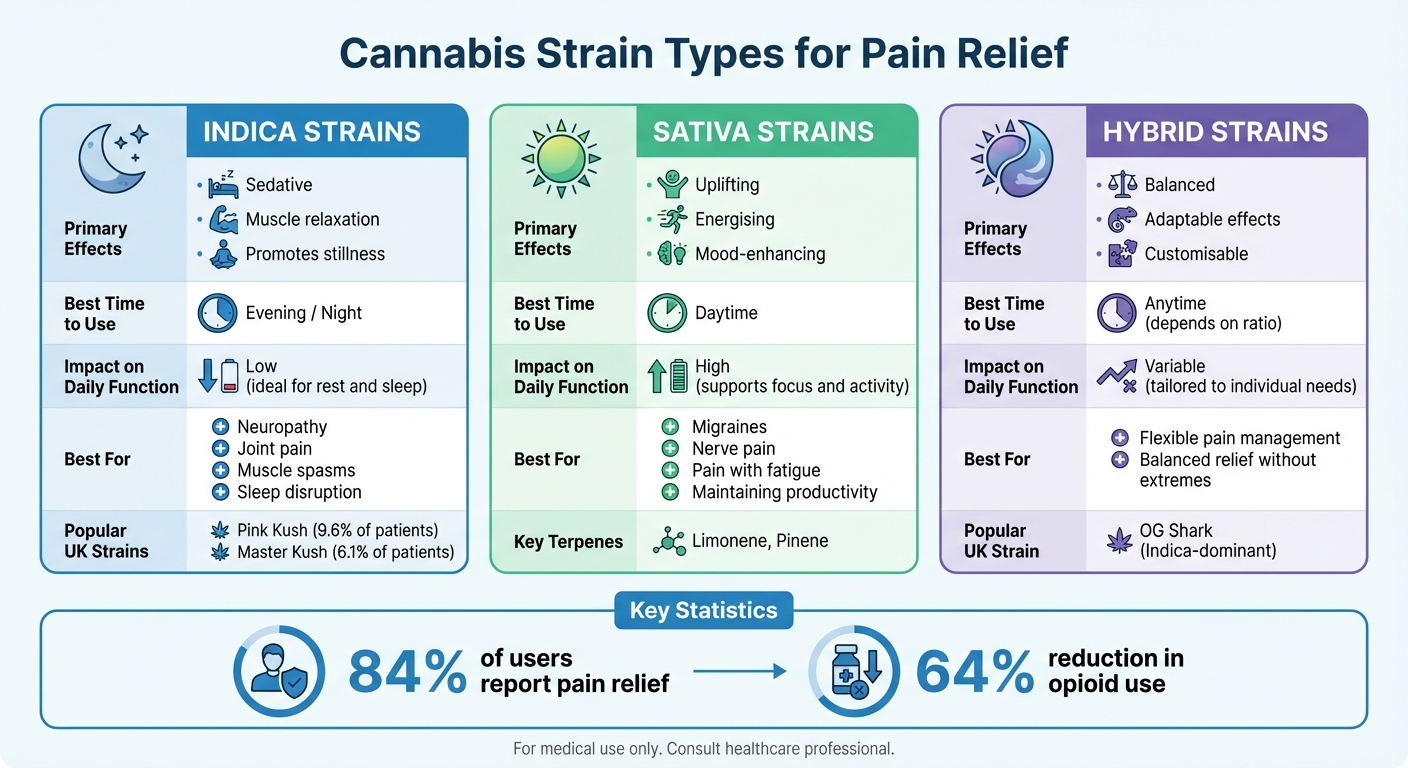
Cannabis Strain Types Comparison for Pain Relief: Indica vs Sativa vs Hybrid Effects
Cannabis strains generally fall into three main types: Indica, Sativa, and Hybrid. Each type has distinct properties, offering tailored effects for pain relief and daily functionality.
Interestingly, modern research highlights that the effects of cannabis are less about whether it’s labelled Indica or Sativa and more about the specific cannabinoid ratios and terpene profiles it contains. For instance, terpenes like myrcene may promote relaxation, while limonene is known to lift mood. Let’s break down how each strain type contributes to pain relief.
Indica strains are widely recognised for their calming, sedative effects, which promote deep physical relaxation. By targeting CB1 receptors in the brain and nervous system, they help reduce pain signals, ease muscle tension, and relieve spasms. This makes them particularly effective for conditions like neuropathy, joint pain, and muscle spasms – especially when rest and stillness are needed.
"Indica strains are known for their sedative effects, making them perfect for evening or bedtime use, when pain often strikes and sleep evades." – Cannabis Access Clinics
Patient surveys suggest Indica strains are especially helpful for non-migraine headaches, neuropathy, joint discomfort, and spasticity. In the UK, popular Indica-dominant strains include Pink Kush, chosen by 9.6% of patients for chronic pain, and Master Kush, favoured by 6.1% for internal chronic pain. Due to their relaxing properties, Indicas are best suited for evening or nighttime use, particularly when pain disrupts sleep.
Sativa strains are known for their energising, uplifting effects, often referred to as a "head high." Unlike Indicas, they manage pain while maintaining mental clarity, making them a great choice for daytime use. Sativas work with the endocannabinoid system to alter pain perception without causing the heavy sedation associated with Indicas.
"Sativas are ideal for those who want uplifting sensations… allowing them to do more productive activities." – Kieron Seymour, Content Lead and Patient Advocate
These strains are particularly beneficial for migraines, nerve pain, and pain linked to fatigue, where relief is needed without hindering daily activities. Terpenes like limonene and pinene play a key role in Sativa’s pain-relief properties by enhancing mood and providing sustained relief.
Hybrid strains are a blend of Indica and Sativa genetics, offering a mix of their characteristics. This balance makes hybrids a flexible option for pain relief, providing effective results without excessive sedation or overstimulation. As a result, they are becoming a popular choice for patients who need pain management that adapts to their daily needs.
A clinical review in The Journal of Headache and Pain highlighted OG Shark, an Indica-dominant hybrid, as a standout choice for its powerful pain-relief properties. Hybrids allow for a customised approach based on the specific ratio of Indica to Sativa. For example, a Sativa-leaning hybrid might offer mild relaxation while maintaining energy levels, whereas an Indica-leaning hybrid provides moderate sedation without full immobility.
Here’s a quick comparison of how each strain type impacts pain relief and daily activities:
| Strain Type | Effects | Best Time to Use | Impact on Daily Function |
|---|---|---|---|
| Indica | Sedative, muscle relaxation, promotes stillness | Evening / Night | Low (ideal for rest and sleep) |
| Sativa | Uplifting, energising, mood-enhancing | Daytime | High (supports focus and activity) |
| Hybrid | Balanced, adaptable effects | Anytime (depends on ratio) | Variable (tailored to individual needs) |
Hybrid strains are increasingly preferred for their ability to provide balanced relief across different pain conditions. When choosing a hybrid, consider whether your priority is maintaining energy during the day (Sativa-dominant) or achieving relaxation in the evening (Indica-dominant). Understanding these strain types lays the groundwork for exploring how cannabinoids and terpenes contribute to their therapeutic benefits.
Cannabis contains over 100 cannabinoids that interact with the body’s endocannabinoid system (ECS), influencing pain, inflammation, and mood. Among these, THC (tetrahydrocannabinol) and CBD (cannabidiol) are the most researched. THC works by binding to CB1 receptors in the brain and nervous system, reducing pain sensitivity through mechanisms like inhibiting glutamate release and altering dopamine activity. CBD, meanwhile, impacts CB1 receptor activity and interacts with TRPV1 and adenosine A2A receptors, helping to reduce inflammation and block pain signals.
One of cannabis’s standout features is the "entourage effect". This refers to the way cannabinoids, terpenes, and flavonoids work together to enhance therapeutic effects, offering more pain relief than isolated compounds. Research supports the idea that whole-plant use, which harnesses this synergy, is more effective for pain management.
Terpenes, the aromatic compounds responsible for cannabis’s distinct scents, also contribute to its pain-relieving properties. Some key terpenes include myrcene, known for its sedative and muscle-relaxing effects; beta-caryophyllene, which acts like a cannabinoid to address pain and anxiety; and limonene, which provides uplifting and anti-anxiety benefits. Beta-caryophyllene is particularly noteworthy as it directly interacts with the ECS, potentially addressing anxiety, depression, and pain.
This interplay between cannabinoids and terpenes allows for tailored strain selection based on specific pain conditions. Studies show that medical cannabis has led to a 64% reduction in opioid use among chronic pain patients, highlighting its growing role in modern pain management.
The balance between THC and CBD is key to targeting different types of pain. THC is particularly effective for severe or neuropathic pain as it directly reduces pain signals in the central nervous system. However, it comes with psychoactive effects – the "high" cannabis is known for. CBD, on the other hand, is non-intoxicating and excels in reducing inflammation and blocking pain signals without affecting mental clarity.
"THC activates CB1 receptors in the central nervous system, which can help reduce nociceptive and neuropathic pain by inhibiting the release of neurotransmitters associated with pain and inflammation." – Sam North, Cannabis Industry Expert
For conditions involving inflammatory pain, such as arthritis, CBD-dominant or balanced products are often preferred due to their ability to lower inflammatory markers. A 1:1 THC to CBD ratio, as found in Sativex – an oromucosal spray prescribed in the UK – provides moderate pain relief with mild psychoactive effects, making it suitable for conditions like multiple sclerosis and chronic pain.
Surveys show that nearly 60% of CBD users report pain relief, and over 65% reduce their reliance on pharmaceutical painkillers. Additionally, research from 2010 revealed that combining THC and CBD is more effective for pain management than using THC alone. This demonstrates the importance of finding the right cannabinoid balance for individual needs.
| Strain Name | Type | Cannabinoid Profile | Primary Use |
|---|---|---|---|
| Bedrocan | Sativa-dominant | Balanced THC/CBD | Chronic pain, muscle relaxation |
| Bediol | Hybrid | High CBD, Low THC | Chronic pain with minimal cognitive impairment |
| Sativex | Oromucosal Spray | 1:1 THC to CBD ratio | Neuropathic pain and Multiple Sclerosis |
| Bedica | Indica-dominant | THC-dominant | Pain relief with deep body relaxation |
For intense pain relief, higher THC strains are typically required. Those looking to manage inflammation or avoid psychoactive effects should focus on CBD-dominant options.
Terpenes play a significant role in enhancing pain relief by amplifying the effects of cannabinoids. Through the entourage effect, terpenes and cannabinoids work together to improve therapeutic outcomes. Myrcene, the most common terpene in cannabis, is known for its sedative, antifungal, and antibacterial properties, making it ideal for evening pain relief. Beta-caryophyllene stands out because it can interact directly with CB2 receptors, potentially alleviating anxiety, depression, and pain. Meanwhile, limonene, with its citrus aroma, has shown anti-anxiety effects in animal studies, helping manage the emotional toll of chronic pain.
Linalool, another terpene, is valued for its calming properties, helping to ease the mental strain often associated with chronic pain. Together, these compounds enhance the therapeutic effects of cannabinoids. For example, strains rich in myrcene and THC are effective for nighttime pain and insomnia, while limonene and CBD-dominant strains are better suited for daytime use.
To get the most out of terpenes, freshness matters. Terpene levels degrade over time, so choose fragrant flowers with recent packaging dates. Using low-temperature vaping is another way to preserve terpenes, as high heat can break them down into harmful byproducts. Keeping a journal to track terpene profiles and consumption methods can help identify the most effective combinations for your pain type.
In the UK, prescribed strains like Guava Dawg (25% THC, terpene-rich for inflammation and stress), Knightsbridge OG (23% THC, 1% CBD for insomnia and muscle spasms), and Ginger Glue (22% THC, 1% CBD for chronic pain and stress) offer tailored cannabinoid and terpene profiles. Understanding how terpenes complement your chosen cannabinoid ratio can help you customise your treatment for better pain relief.
Let’s dive into the cannabis strains prescribed in the UK for chronic pain management. Chronic pain is one of the main reasons patients seek medical cannabis in the UK. While the NHS doesn’t currently recommend THC or CBD for general chronic pain management, private clinics provide tailored prescriptions, carefully balancing cannabinoid ratios and terpene profiles to address specific needs – whether for daytime functionality or nighttime relief.
A clinical review published in The Journal of Headache and Pain analysed patient feedback and identified 42 strains commonly linked to pain relief. Among these, OG Shark, an Indica-dominant hybrid, stood out as particularly effective. Some UK-prescribed strains can contain THC levels as high as 27%, offering powerful relief for severe conditions like arthritis, fibromyalgia, and endometriosis.
Patients are encouraged to "start low and go slow" when beginning treatment – starting with one or two inhales and waiting 30 minutes to gauge the effects. In the UK, medical cannabis can only be vapourised, ingested, or used as a tincture, as smoking it is illegal. It’s also essential to keep the medication in its original packaging with the pharmacy label to prove legal possession.
Now, let’s explore how different strains address pain and sleep challenges.
Indica-dominant strains are ideal for evening use, thanks to their sedative and muscle-relaxing properties. They’re particularly effective for managing deep muscle pain, inflammation, and insomnia caused by chronic conditions.
Here are some popular options:
For those dealing with more severe pain, high-THC strains like Green Kush (Glass Pharms), with 25% THC, and Wedding Cake, which can reach 27% THC, provide strong full-body relief. These are typically recommended for patients who have built up a tolerance or need more potent analgesia.
For daytime pain management, CBD-dominant and hybrid strains are preferred. They offer anti-inflammatory and pain-relieving benefits without causing significant psychoactive effects, allowing patients to stay functional and focused.
Some effective options include:
| Strain Name (Brand/Producer) | Type | THC % | CBD % | Primary Use/Effects |
|---|---|---|---|---|
| Northern Lights (Adven No 9) | Indica | 19% | 1% | Physical discomfort and sedation |
| Purple Punch (Adven No 26) | Indica | 20% | 1% | Inflammatory pain and sleep support |
| OG Kush (Khiron T22) | Indica-Dominant | 22% | <1% | Relieves back tension and induces sleep |
| Green Kush (Glass Pharms) | Indica | 25% | 1% | Full-body relaxation, soothing tension |
| Blackberry Balanced (Glass Pharms) | Hybrid | 7% | 10% | Chronic pain and anxiety without heavy intoxication |
| Bediol | Hybrid | Balanced | High CBD | Calming, minimises cognitive impairment |
| Sativex (Oromucosal Spray) | Balanced | 1:1 Ratio | 1:1 Ratio | Moderate pain relief with low psychoactivity |
| MAC-3 (Glass Pharms) | Hybrid | 22% | 1% | Easing tension and pain-related stress |
Getting the right treatment for chronic pain starts with knowing how to access specialised medical cannabis. Here’s what you need to know.

Elios Clinics specialises in medical cannabis treatments for a range of chronic pain conditions, such as arthritis, fibromyalgia, neuropathy, musculoskeletal pain, low back pain, and complex regional pain syndrome. The clinic’s prescribing doctors are all GMC-registered specialists in medicinal cannabis, and every prescription is carefully reviewed by a multidisciplinary team to ensure it is both safe and suitable. They also offer video consultations, personalised treatment plans, and next-day delivery of your medication, either to your home or a local pharmacy.
Prescriptions typically cover a 30-day supply. To ensure seamless care, the clinical team collaborates with your GP and other healthcare professionals.
Elios Clinics makes the journey from assessment to receiving your prescription straightforward.
To qualify for medical cannabis treatment, you must have a diagnosed chronic pain condition and have already tried at least two conventional treatments without adequate relief or experienced intolerable side effects. Additionally, you should have been assessed by a specialist in secondary care.
The process begins with a free online eligibility assessment to confirm you meet these criteria. If your GP cannot provide a referral, you can self-refer, and the Elios Clinics support team will help gather your medical records. Once your eligibility is confirmed, you’ll complete an online form detailing your condition and medical history. This is followed by a video consultation with a specialist. After your case is reviewed by the multidisciplinary team, your prescription is finalised and delivered the next day.
Once your treatment begins, regular follow-ups ensure your care remains effective and tailored to your needs.
Before your 30-day supply runs out, schedule a follow-up appointment to maintain continuity of care. These follow-ups allow your clinician to evaluate how well the treatment is working and make any necessary adjustments based on its effectiveness and any side effects.
"Our decision to prescribe medical cannabis is agreed on by our multidisciplinary team involving all the clinicians, and is led by balancing its benefits for the particular clinical condition against the product’s possible harms." – Elios Clinics
Elios Clinics’ support team is always on hand to answer your questions and guide you through your treatment journey. Treatment plans are customised to address your specific needs and how pain affects your daily life, ensuring you feel supported every step of the way.
Choosing the right cannabis strain for chronic pain isn’t a one-size-fits-all solution. Since cannabis affects everyone differently, personalisation is essential. Finding what works best often involves some trial and error, ideally under the guidance of a medical professional.
Here’s a quick summary: Indica strains are often better for night-time relief and improving sleep, while Sativa or hybrid strains are more suitable for daytime use. For general chronic pain, products with a balanced 1:1 ratio of THC to CBD can be particularly effective. Additionally, terpenes like caryophyllene and myrcene may enhance these benefits.
Research supports these findings. For example, 84% of patients using medical cannabis for pain report it as an effective treatment. Another survey of nearly 3,000 medical cannabis users found that 97% agreed or strongly agreed that cannabis helped them reduce their opioid use. These statistics highlight the potential of personalised cannabis therapies for managing chronic pain.
At Elios Clinics, the focus is on the whole patient – not just their symptoms. Their team of GMC-registered specialists develops individualised treatment plans tailored to your condition, lifestyle, and the specific ways pain affects your daily life. With video consultations, next-day medication delivery, and ongoing follow-up care, they’re with you every step of the way.
"At Elios Clinics, we believe in treating the whole patient, not just their symptoms." – Elios Clinics
This personalised approach can truly change the way chronic pain is managed. Whether you’re dealing with arthritis, fibromyalgia, neuropathy, or musculoskeletal pain, the right strain and a well-designed treatment plan can significantly improve your quality of life.
Choosing between Indica, Sativa, and Hybrid strains for pain relief largely depends on what you need and the type of effects you’re after. Indica strains are often chosen for their relaxing and sedative qualities. They’re particularly helpful for managing chronic pain, easing stress, and improving sleep – making them a great choice for evening use.
On the other hand, Sativa strains are known for their energising and uplifting effects. These can be useful for daytime pain relief, as they may also boost focus and improve mood. Then there are Hybrid strains, which blend traits of both Indica and Sativa. These offer a more balanced option, and their effects can vary depending on their specific cannabinoid and terpene profiles.
When deciding, think about factors like the time of day, how severe your pain is, and how your body reacts to each strain. For expert guidance, consulting a healthcare professional experienced in medical cannabis – such as those at Elios Clinics – can help you find the best option for managing your pain effectively.
Terpenes are natural, aromatic compounds found in cannabis, and they play a major part in shaping its therapeutic effects. By working alongside cannabinoids like THC and CBD, they contribute to what’s known as the entourage effect. This interaction can amplify or adjust the plant’s ability to provide pain relief.
Some terpenes, such as myrcene, limonene, pinene, and beta-caryophyllene, are particularly linked to easing pain, promoting relaxation, and offering anti-inflammatory benefits. These compounds influence how cannabis interacts with the body’s endocannabinoid system, potentially enhancing its pain-relieving properties and helping with chronic pain management.
When choosing a strain for pain relief, paying attention to the terpene profile is crucial. Indica-dominant strains, for instance, often feature terpenes that encourage relaxation and sedation, making them helpful for easing discomfort and supporting better sleep. Beyond just their aroma and flavour, terpenes are key to personalising cannabis treatments for specific needs.
In the UK, obtaining medical cannabis for pain relief begins with a consultation with a licensed healthcare professional. During this appointment, they will evaluate your condition to see if you meet the criteria for treatment. Medical cannabis is generally prescribed for issues such as chronic pain, severe neurological conditions, or persistent nausea and vomiting, particularly when other treatments have failed to provide relief.
To be eligible, you’ll typically need to demonstrate that you’ve already tried at least two conventional treatments without success. If you meet the requirements, a prescription will be issued, and you can collect your medication from a pharmacy. Regular follow-up appointments are usually necessary to track your progress and ensure the treatment remains safe and effective.
This process is carefully regulated, prioritising patient safety and adherence to UK guidelines through thorough assessments and personalised care.